
28 July 2026 · Patios and Paths
How to clean a tarmac driveway properly
Knowing how to clean a tarmac driveway properly can make the difference between a surface that looks smart for years and one that crumbles early. Tarmac is tougher than it looks, but it doesn't take kindly to harsh chemicals or carelessly high pressure. Get the method right, though, and you can lift moss, algae, dirt and even old oil stains and be left with a driveway that looks close to the day it was laid.
Why tarmac driveways get so dirty
Tarmac is a porous, slightly textured surface. That's great for grip, but it means dirt, leaf tannins, algae spores and fuel residue all sink into the small voids rather than sitting on top. In Lincolnshire's damp climate — especially in shaded spots around Lincoln and in villages like Nettleham or Welton — green algae and black organic staining can build up quickly, particularly over autumn and winter.
Oil is the other big culprit. A small drip from a parked car over several years leaves a dark patch that seems impossible to shift. It isn't, but it does need treating differently from general grime.
What you'll need before you start
For a typical tarmac driveway you'll want:
- A stiff-bristled yard brush or broom
- A garden hose or low-pressure washer (600–1200 psi is ideal for tarmac)
- A dedicated tarmac or patio degreaser — avoid anything highly alkaline or solvent-based
- An oil-treatment product or proprietary tarmac cleaner for stained areas
- Protective gloves
- A watering can for applying cleaning solutions evenly
Stay away from undiluted bleach and strong acids. They won't just clean the surface — they'll break down the bitumen binder that holds tarmac together, leading to crumbling edges and surface loss.
How to clean a tarmac driveway: step by step
- Clear the surface. Move vehicles, pots and anything else off the driveway. Sweep away loose leaves, grit and debris with a stiff broom.
- Pre-wet the surface. A good soaking with a hose helps loosen embedded dirt and stops cleaning products drying out too fast on a warm day.
- Apply your cleaner. Dilute your tarmac cleaner or degreaser according to the instructions and apply it evenly with a watering can or sprayer. Leave it to dwell for five to ten minutes — don't let it dry out.
- Scrub stubborn patches. Work your yard brush over heavy patches of algae or grime. You'll see the solution lifting the staining.
- Rinse thoroughly. Work from the top of the driveway downwards. If you're using a pressure washer, keep the lance at least 30 cm from the surface and use a fan or rotary nozzle rather than a pin-point jet. Never concentrate the jet on one spot.
- Treat oil stains separately. Apply a dedicated oil remover or absorbent granules to the patch first, leave it to work, then clean as above. Persistent staining may need a second pass.
- Let it dry fully. Tarmac can look patchy when wet. Give it 24 hours before you judge the result.
Pressure and temperature — two things most people get wrong
High pressure damages tarmac. The common mistake is to crank a pressure washer up to maximum and assume a stronger blast means a better clean. On block paving that might strip mortar; on tarmac it can actually dislodge the aggregate stones from the surface, leaving a pitted, rough finish that then traps dirt even faster.
Temperature matters too. Cleaning on a hot summer afternoon means solutions evaporate before they can work. Early morning or an overcast day is ideal — and it's worth knowing that very cold conditions (below about 5°C) slow down the chemistry in most cleaners, so results won't be as good.
How often should you clean tarmac?
For most driveways in Lincolnshire, a proper clean every one to two years is enough to keep algae and grime under control. If you have trees overhead — as many properties in Saxilby or Skellingthorpe do — annual cleaning is worth considering because leaf fall accelerates staining. A quick sweep and hose-down between deep cleans goes a long way.
Should you seal tarmac after cleaning?
Sealing a tarmac driveway after cleaning is optional but worthwhile if the surface is in good condition. A quality tarmac sealant adds a slight sheen, refreshes the colour and slows future oil and algae penetration. It typically needs reapplying every three to five years. Make sure the surface is bone dry before you apply it — any trapped moisture will cause the sealant to bubble.
When to call a professional instead
Some jobs are better handed over. If your tarmac has:
- Deep-set oil staining that hasn't shifted after two treatments
- Cracking, potholing or loose aggregate at the edges
- Heavy green or black algae covering most of the surface
- Not been cleaned in five or more years
…then a professional clean will get a far better result than DIY, and it protects the surface from the risk of being damaged by the wrong pressure or chemicals.
We cover driveways right across the county — see our driveway cleaning topic guide for more advice, and check where we work to confirm we cover your area.
Our team uses commercial-grade, low-temperature pressure washing equipment and tarmac-safe treatments that aren't available in DIY stores. If you'd like us to take a look at your driveway, you can view the full range of services we offer or head straight to our free quote form — we'll usually get back to you the same day.
A quick note on tarmac vs tarmacadam vs asphalt
You'll see these terms used interchangeably by most homeowners. For cleaning purposes they're essentially the same thing — a bitumen-bound surface with aggregate. The advice above applies to all three. What it doesn't apply to is resin-bound or resin-bonded gravel, which is a different product entirely and needs a gentler approach.
If your tarmac driveway is looking tired, stained or green around the edges, a professional clean can bring it back surprisingly well. Get a free, no-obligation quote and we'll let you know what's possible.
Frequently asked questions
Can I use a pressure washer on a tarmac driveway?
Yes, but keep the pressure between 600 and 1200 psi and hold the lance at least 30 cm from the surface. Higher pressure or a pin-point jet can dislodge the aggregate stones and permanently damage the surface.
Will bleach clean a tarmac driveway?
Bleach is not recommended for tarmac. It can degrade the bitumen binder over time, leading to surface crumbling. Use a dedicated tarmac cleaner or degreaser instead.
How do I get oil stains off a tarmac driveway?
Apply a dedicated oil remover or absorbent granules to the stain and leave it to work for at least 30 minutes before scrubbing and rinsing. Older or larger stains may need two treatments or a professional hot-water clean.
How long does a tarmac driveway take to dry after cleaning?
Allow at least 24 hours before parking on it or applying a sealant. Tarmac can look blotchy when wet, so don't judge the result until it's fully dry.
Need a hand with yours? We cover Lincolnshire for patios, driveways, paths and more — see the areas we cover or browse our services. Get a free quote or call 07874 010739.
Keep reading
More on driveway cleaning
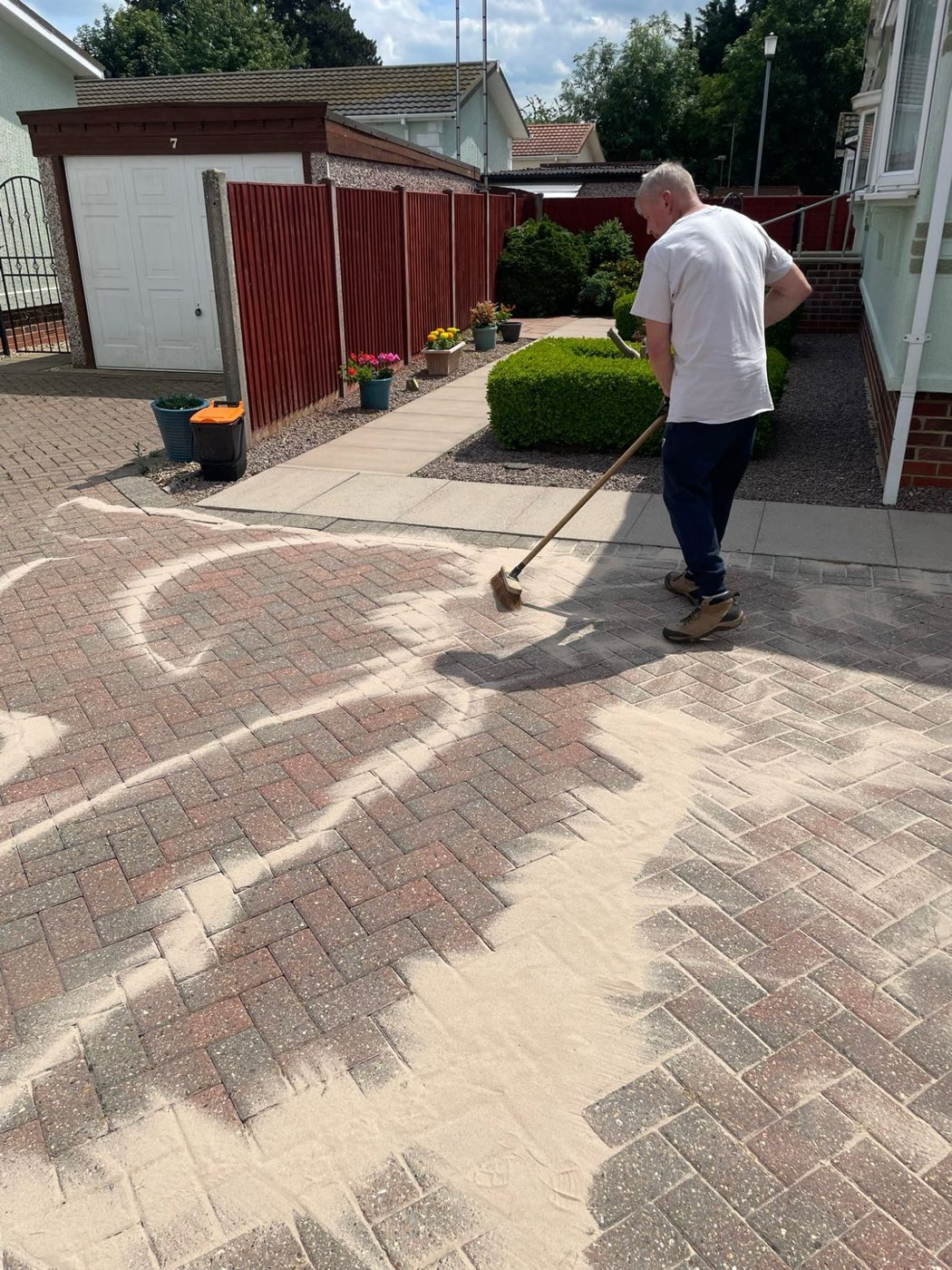
How to clean a resin driveway without causing damage
Resin driveways look stunning when clean — here's exactly how to keep yours that way without lifting the surface or voiding your warranty.
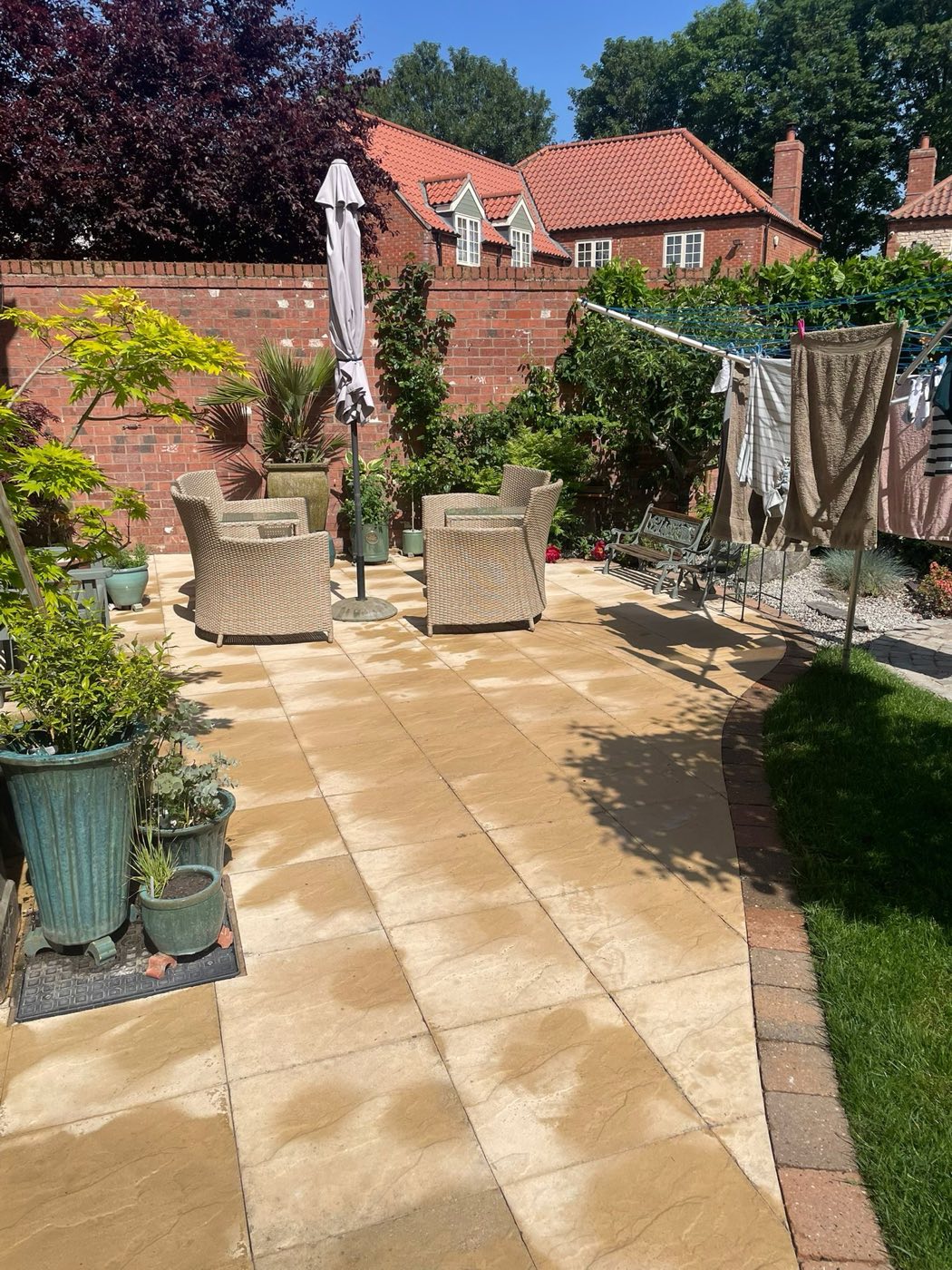
How to clean a driveway after heavy rain
Heavy rain leaves driveways muddy, stained and slippery — here's exactly how to clean yours back to a smart finish.
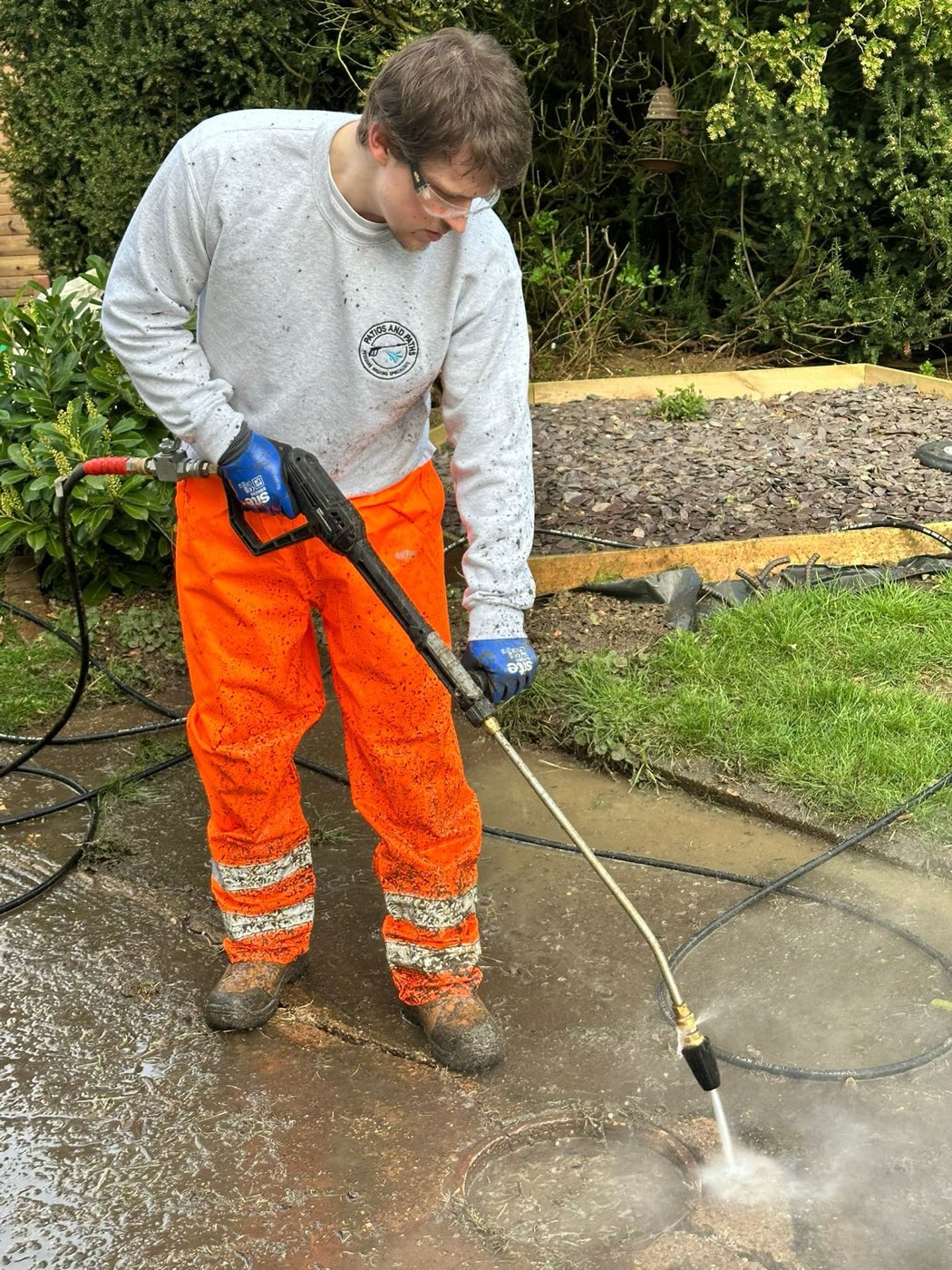
How to clean a driveway edging and border properly
Weedy, mossy joints can ruin an otherwise tidy driveway — here's how to clean block paving joints properly and stop the problem coming back.