
4 October 2026 · Patios and Paths
How to clean a tarmac driveway without damage
Tarmac is one of the most common driveway surfaces across Lincolnshire, and one of the most misunderstood when it comes to cleaning. If you want to know how to clean a tarmac driveway without damage, the short answer is: low pressure, the right detergent, and patience. Go in too hard with a pressure washer and you can strip the fine aggregate from the surface, leaving it rough, porous, and vulnerable to cracking. Get it right, though, and a tarmac drive can look almost as good as the day it was laid.
Here's everything you need to know.
Why tarmac needs a different approach
Unlike concrete or porcelain, tarmac (also called asphalt) is a bound mixture of aggregate and bitumen binder. That binder softens slightly in hot weather and can be damaged by harsh chemicals or excessive water pressure. It's also more porous than you might expect, which is why moss, algae and oily residue tend to sink in rather than sit on top.
The good news is that tarmac responds well to proper cleaning — it just needs a careful hand.
What you'll need before you start
Before you touch the surface, get these together:
- A stiff-bristled brush (not a wire brush — that scratches the surface)
- A low-pressure washer set to no more than 1,500 PSI, or a garden hose with a jet attachment
- A dedicated tarmac or general-purpose patio cleaner — avoid bleach and citrus-based products, both of which can break down the bitumen binder
- An oil and fuel stain remover for any greasy patches
- Protective gloves
If you're hiring a professional, make sure they know the surface is tarmac. A good operator will adjust their equipment accordingly.
How to clean a tarmac driveway without damage: step by step
- Clear the surface. Move bins, plant pots and vehicles. Sweep away loose leaves, grit and debris with a stiff broom.
- Treat oil stains first. Apply an oil-lift or degreaser product directly to any stained patches. Leave it to dwell for 10–15 minutes, then agitate gently with your brush. Don't rinse yet.
- Apply your cleaner. Dilute your chosen tarmac cleaner as directed and apply it across the whole surface. Work in sections if your drive is large.
- Scrub gently. Use your stiff brush to work the cleaner in, paying attention to edges, joins and any areas with heavy moss or algae growth.
- Rinse carefully. Use your pressure washer on a low, wide-fan setting — or a garden hose — to rinse from the top of the slope down. Never hold the lance too close to the surface; keep it at least 30 cm away.
- Let it dry fully. Tarmac can look slightly patchy when wet. Give it 24–48 hours to dry completely before you judge the result.
The moss and algae problem on tarmac
Moss and green algae love tarmac because its texture gives spores something to grip onto, and the porous surface holds moisture. You'll often see it worst in shaded areas — down the side of a house, under overhanging trees, or on north-facing drives in villages like Saxilby or Skellingthorpe where winter sunlight barely reaches at all.
Killing moss vs removing it
A moss killer applied in advance makes the cleaning job far easier. Treat the affected areas a week or two before your main clean — the moss will die back and become brittle, making it much simpler to lift. Trying to blast live, spongy moss off tarmac with a pressure washer just splashes it around.
Preventing regrowth
Once clean, a light application of a path and patio biocide (one that's safe for bound surfaces) can slow regrowth significantly. It won't last forever — annual maintenance is realistic in Lincolnshire's damp climate — but it makes a real difference.
What to avoid on tarmac
A few things that seem logical but will cause real damage:
- High-pressure washing — strips the surface aggregate and leaves the binder exposed
- Bleach or sodium hypochlorite — degrades the bitumen and can cause surface softening
- Petrol-based solvents — used to remove oil but they dissolve the binder itself
- Wire brushes or metal scrapers — scratch and gouge the surface
- Hot water — softens the binder, especially in summer
When to call in a professional
Some tarmac driveways can be cleaned with patience and the right products as a DIY job. But if your drive has heavy moss coverage, deep oil staining, or hasn't been cleaned in several years, it's often worth getting a professional in. The risk of causing damage with a hired pressure washer — one that's likely far more powerful than you'd expect — is real.
We work on tarmac driveways across Lincolnshire regularly, from Lincoln and Nettleham through to Heighington and Branston, and we carry the right equipment and detergents to get a safe, thorough result without lifting or scarring the surface. You can see the full range of surfaces we cover over at our driveway cleaning guides or browse all the areas we serve.
How often should you clean a tarmac driveway?
Once a year is a good rule of thumb in Lincolnshire. A full clean in spring removes the winter's worth of moss, algae and leaf staining before it has a chance to bed in further. If you have a lot of tree cover or a shaded drive, you might find twice a year keeps things more manageable.
Regular sweeping between cleans also makes a real difference — debris traps moisture, and moisture is what moss needs to get started.
If your tarmac driveway is looking tired, green or oil-stained, we'd be happy to take a look. Get a free, no-obligation quote and we'll come out, assess the surface, and tell you exactly what we can do — no pressure, no jargon.
Frequently asked questions
Can you pressure wash a tarmac driveway?
Yes, but only on a low-pressure setting — ideally no more than 1,500 PSI with a wide fan nozzle. High pressure strips the fine aggregate from the surface and leaves the bitumen binder exposed, which accelerates wear and cracking.
What's the best cleaner to use on a tarmac driveway?
Use a purpose-made tarmac or general patio cleaner, diluted according to the instructions. Avoid bleach, citrus-based cleaners and any solvent products — these degrade the bitumen binder that holds tarmac together.
How do I remove oil stains from a tarmac driveway?
Apply a dedicated oil-lift or degreaser product, leave it to dwell for 10–15 minutes, then scrub with a stiff brush before rinsing. Never use petrol or white spirit — they dissolve the tarmac binder itself.
Why does moss keep coming back on my tarmac driveway?
Tarmac is porous and holds moisture, which gives moss spores the perfect conditions to take hold — especially in shaded spots. Cleaning removes existing growth, but applying a biocide treatment afterwards slows regrowth significantly.
Need a hand with yours? We cover Lincolnshire for patios, driveways, paths and more — see the areas we cover or browse our services. Get a free quote or call 07874 010739.
Keep reading
More on driveway cleaning
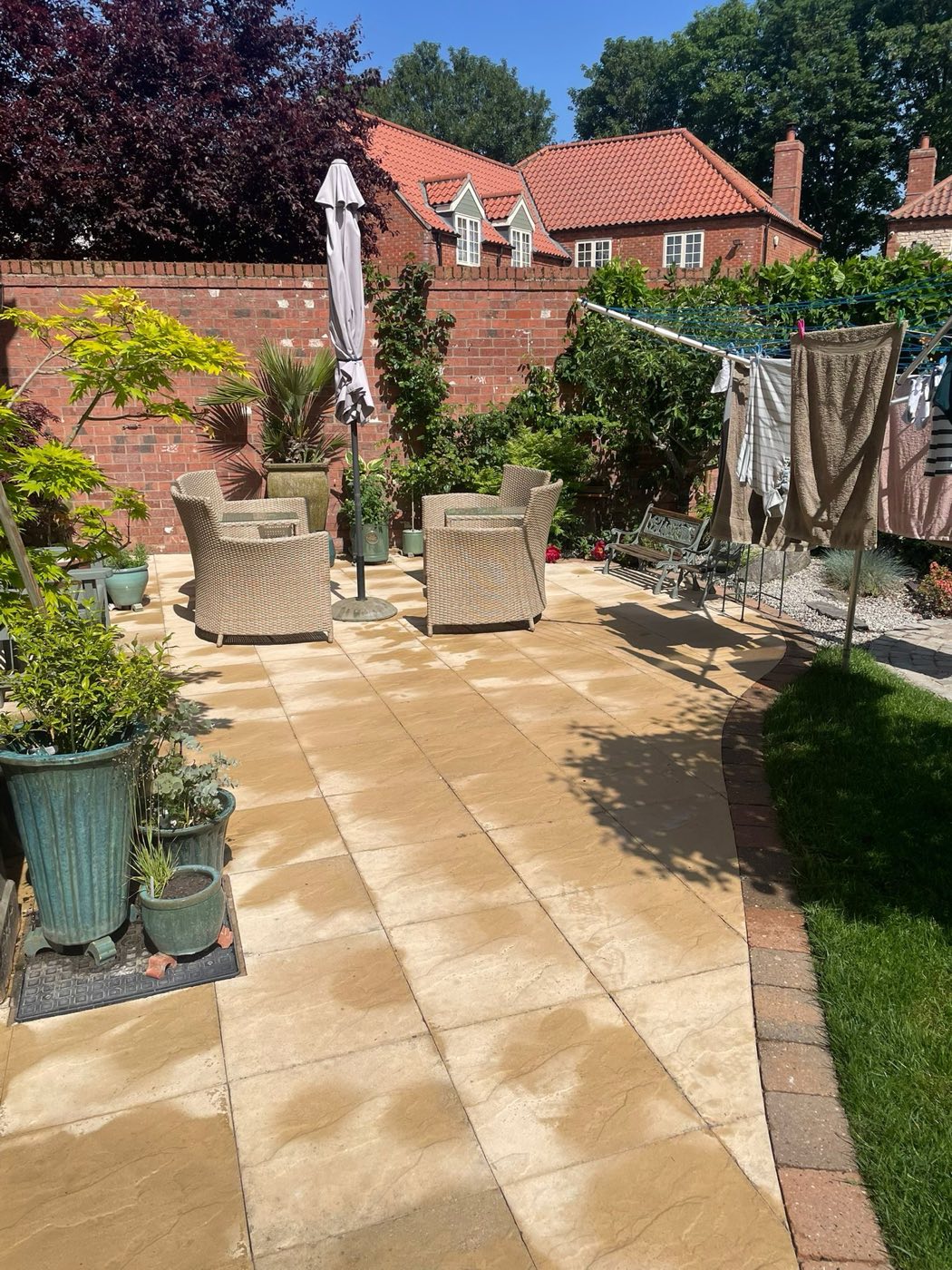
How to clean a driveway with oil stains properly
Oil stains are one of the toughest driveway problems — here's exactly what works, what doesn't, and when to call in a professional.
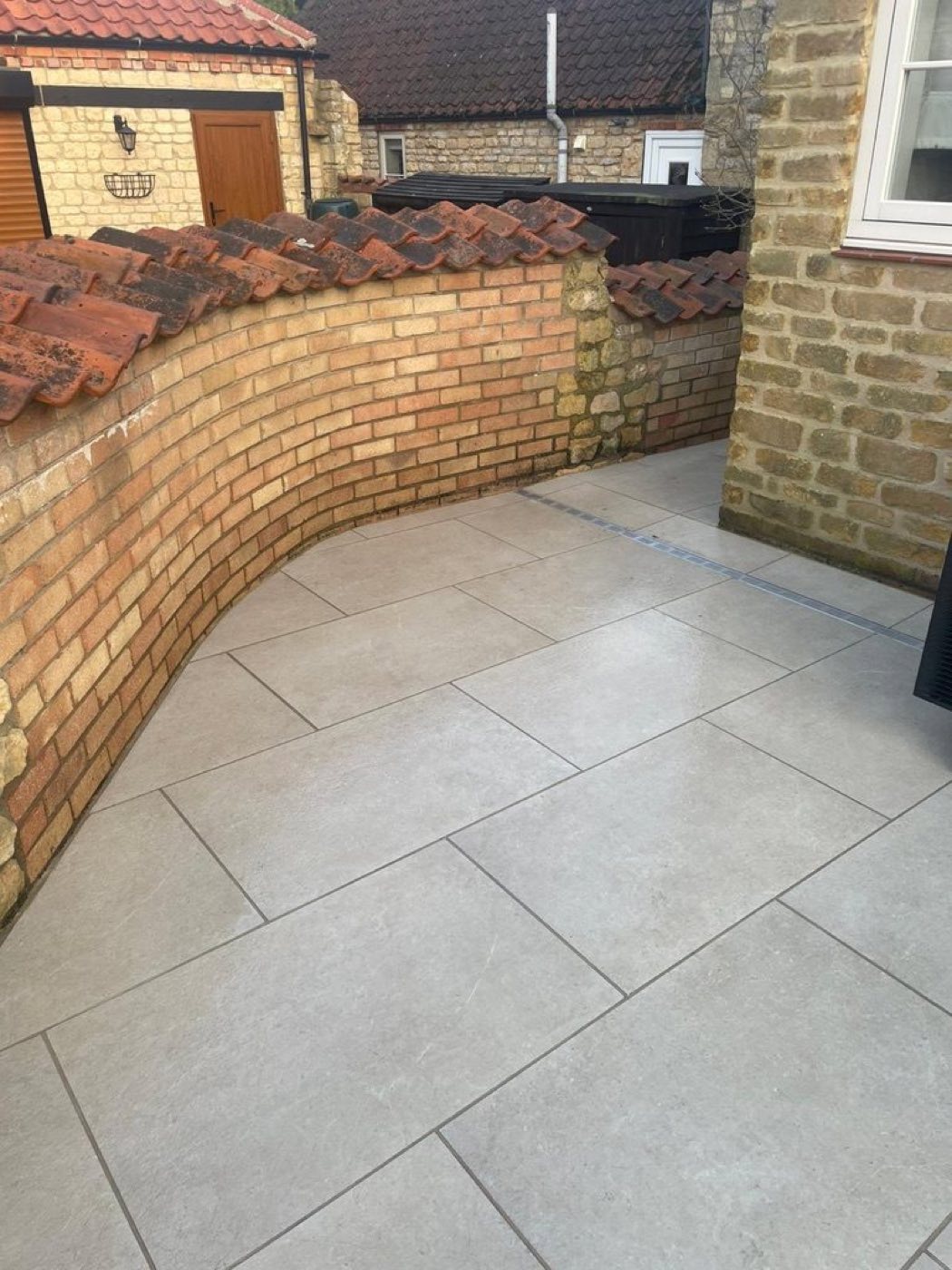
How to clean a gravel driveway properly
Gravel driveways look great when they're tidy — here's exactly how to clean one properly and keep it that way all year round.
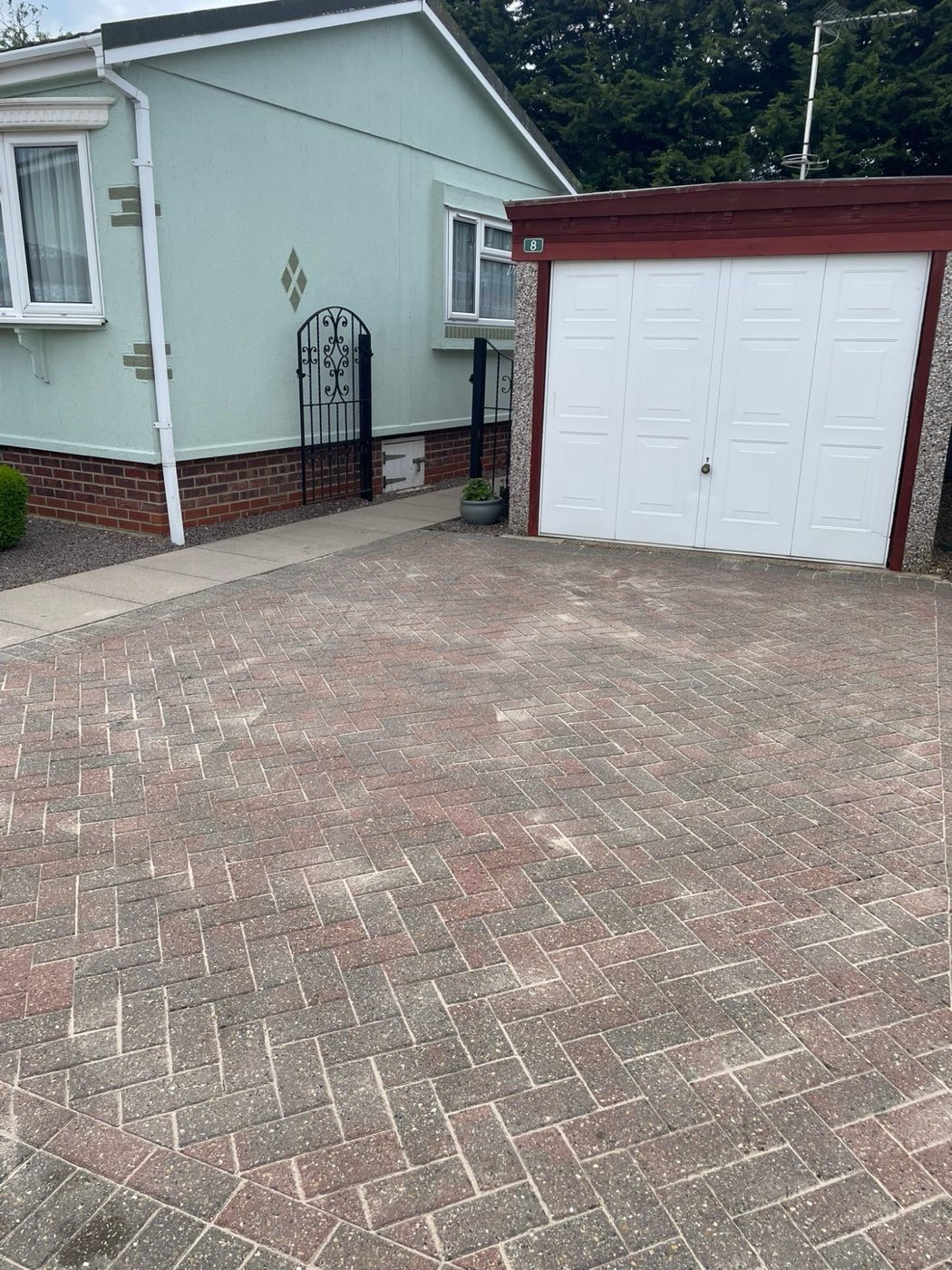
How to clean a block paving driveway after winter
Winter leaves block paving looking tired, mossy and washed-out — here's exactly how to bring it back to life safely.