
26 September 2026 · Patios and Paths
How to clean a driveway with oil stains properly
Oil stains are stubborn. Whether it's a slow drip from an older car, a one-off spill during an oil change, or years of build-up on a busy driveway, they sink into the surface quickly and bond hard. But knowing how to clean a driveway with oil stains — and doing it in the right order — makes a real difference to the result.
Here's a straightforward guide to what actually works, broken down by surface type.
Why oil stains are so hard to shift
Oil is hydrophobic — it repels water — so simply hosing down your driveway pushes it around rather than lifting it. Worse, motor oil, hydraulic fluid and diesel all contain compounds that penetrate porous surfaces like concrete, tarmac and natural stone almost immediately. The longer you leave them, the deeper they go.
Fresh stains are always easier to tackle than old ones. If you've just noticed a spill, act fast.
What to do with a fresh oil spill
For a spill that's happened in the last few hours:
- Absorb as much as possible first. Cover the stain generously with cat litter, dry sand, or sawdust. Leave it for at least 30 minutes — longer if you can.
- Sweep it up and dispose of it. Don't wash it away at this stage.
- Apply a degreaser. A dedicated traffic-film remover or alkaline degreaser (widely available at motor factors) is far more effective than washing-up liquid. Leave it to dwell for 10–15 minutes.
- Agitate with a stiff brush. Work the degreaser into the surface in circular motions.
- Rinse thoroughly. A pressure washer at this stage will give you a much cleaner result than a garden hose.
Done quickly, this approach can remove a fresh stain almost completely.
Treating old or set-in oil stains
Older stains need a bit more patience. The same process applies, but you'll likely need to repeat it two or three times — and the result won't always be a perfect match with the surrounding surface.
Poultice method for porous surfaces
On natural stone, concrete slabs or sandstone, a poultice can draw oil back out of the material rather than simply treating the surface. Mix fuller's earth, baking soda, or talcum powder with a solvent (acetone or white spirit work well) into a thick paste. Apply it over the stain, cover loosely with cling film, and leave it for 24–48 hours. The paste absorbs the oil as it dries. Scrape it off, then rinse and degrease as above.
This is slower, but it's often the only approach that genuinely shifts deep stains on porous stone.
Pressure washing alone won't do it
A lot of people reach for the pressure washer first. It's useful — but on its own, it won't remove oil. You need to break the bond with a chemical treatment before the water can flush it away. Pressure washing after degreasing, however, is very effective and speeds up the whole process considerably.
Does the surface type change what you should use?
Yes — and this matters.
- Concrete driveways: Alkaline degreasers work well. Avoid strong acids, which can etch the surface.
- Block paving: Degrease first, then pressure wash. Be careful not to disturb the kiln-dried sand in the joints — you may need to top it up afterwards.
- Tarmac/asphalt: Avoid solvent-based products here. Solvents can soften and damage tarmac. Stick to water-based degreasers.
- Resin-bound driveways: These are more delicate. Use a mild degreaser and low-pressure rinsing — aggressive chemicals or high pressure can damage the surface.
- Natural stone and Indian sandstone: Use pH-neutral or alkaline cleaners. Acid-based products will damage the stone.
If you're not sure what surface you have or what's safe to use, it's worth getting advice before you start.
When DIY reaches its limit
Some oil stains — particularly those that have been sitting for months or years, or stains from diesel, hydraulic fluid or transmission fluid — don't respond well to DIY treatment. They've penetrated too deep, and repeated scrubbing can just spread the contamination.
In these cases, professional hot-water pressure washing combined with commercial-grade degreasers gets results that aren't achievable with consumer products. We carry specialist treatments for oil contamination and use the right equipment for each surface type, whether that's a driveway in North Hykeham or a forecourt in Branston.
You can see the full range of surfaces we work on across the county on our driveway cleaning topic pages.
Will the stain come out completely?
Honestly — sometimes, yes. Sometimes, no. A fresh, shallow stain on a smooth concrete driveway can come out completely. An old, deep stain on highly porous sandstone may always leave a faint shadow.
What a proper clean will always do, though, is make the stain significantly less visible and stop it spreading. In many cases, sealing the driveway after cleaning helps prevent future oil from penetrating as deeply — worth considering if staining is a regular problem.
For a look at what else we cover across Lincolnshire, our areas page has the full picture.
How we can help
We work on driveways across Lincolnshire — from Lincoln city to villages like Heighington, Welton and Saxilby — tackling everything from routine pressure washing to stubborn oil and fuel contamination. We assess the surface first, use the right treatments, and leave you with a drive you'll actually want to park on.
If you've got oil stains you can't shift, or you'd just like a professional clean and honest advice, get in touch for a free quote. No obligation, no hard sell — just a straightforward chat about what we can do for you.
Frequently asked questions
Does WD-40 remove oil stains from driveways?
WD-40 can help loosen some fresh oil stains, but it's not a proper degreaser and can leave its own residue. A dedicated alkaline degreaser or traffic-film remover will work much better and rinse away more cleanly.
Can pressure washing remove oil stains from a driveway?
Pressure washing alone won't remove oil because water can't break down the oily bond. You need to apply a degreaser first to lift the oil, then pressure wash to flush it away — used together, they're very effective.
How do I stop oil stains soaking into my driveway in the future?
Sealing your driveway creates a barrier that prevents oil from penetrating the surface quickly, giving you time to clean up spills before they set. It's particularly useful on porous surfaces like concrete and natural stone.
Will oil stains come out of block paving?
Often yes, especially if they're not too old. Apply a degreaser, let it dwell, scrub with a stiff brush, then pressure wash. You may need a couple of passes, and you'll likely need to top up the kiln-dried sand in the joints afterwards.
Need a hand with yours? We cover Lincolnshire for patios, driveways, paths and more — see the areas we cover or browse our services. Get a free quote or call 07874 010739.
Keep reading
More on driveway cleaning
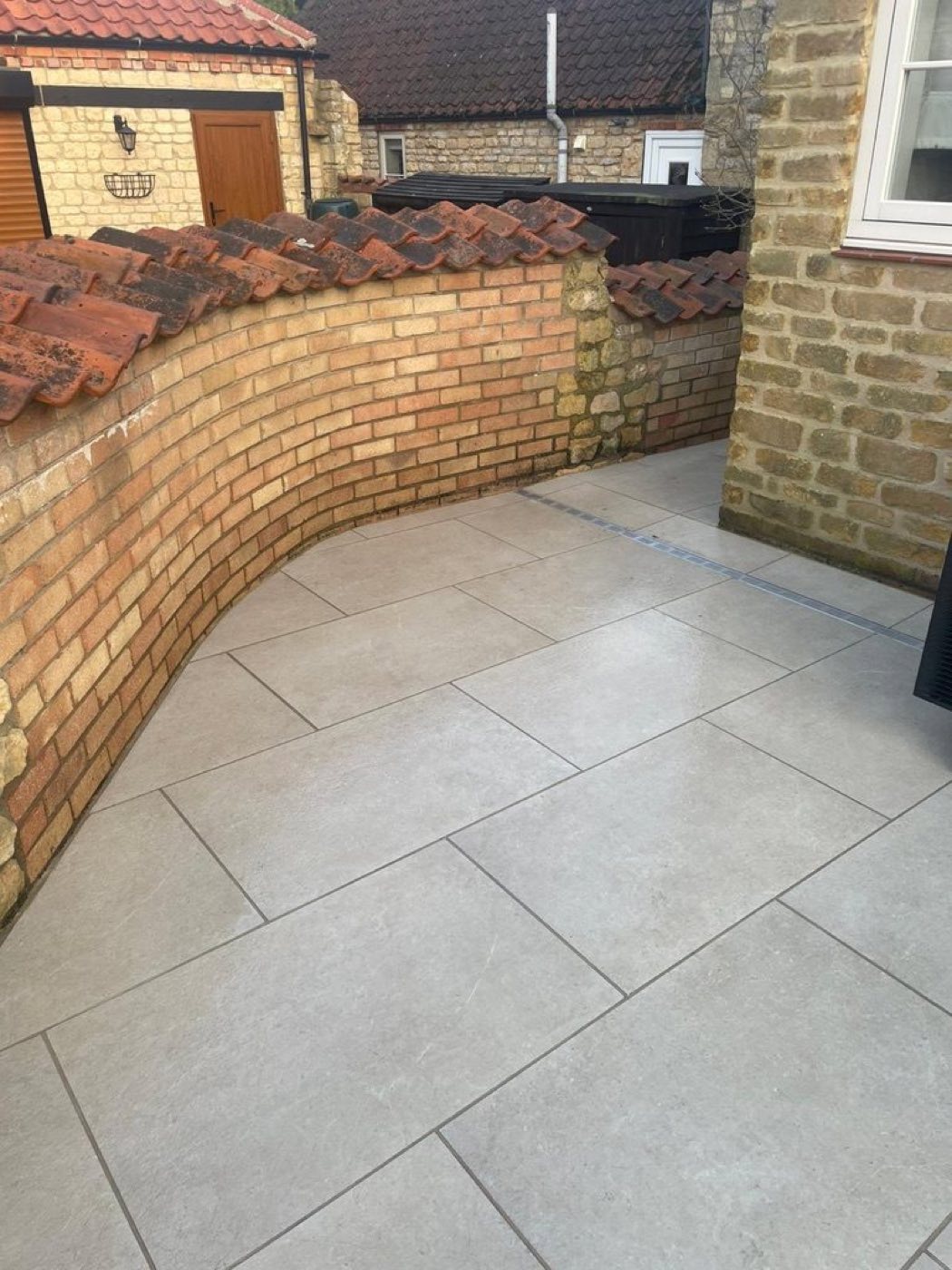
How to clean a gravel driveway properly
Gravel driveways look great when they're tidy — here's exactly how to clean one properly and keep it that way all year round.
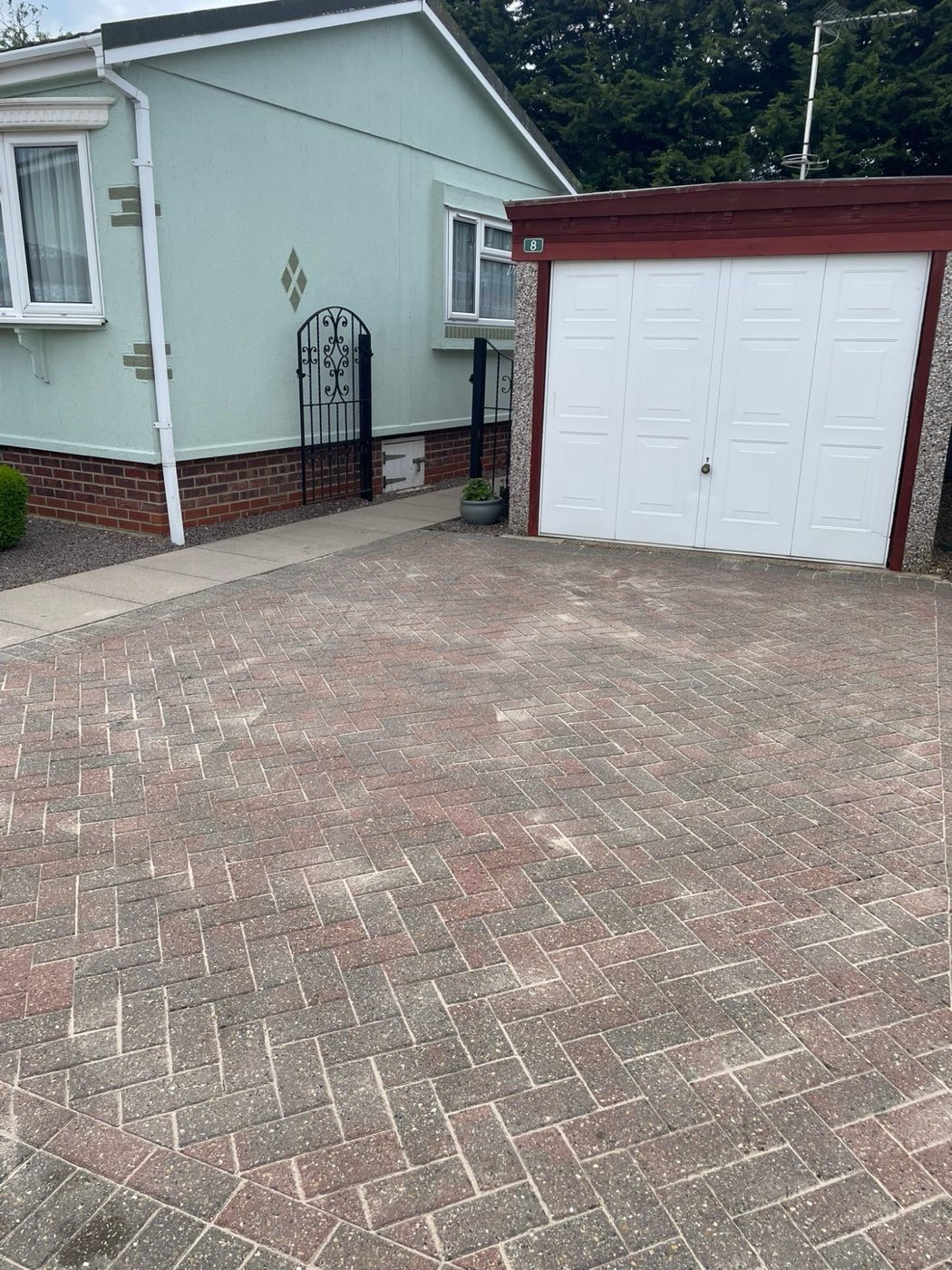
How to clean a block paving driveway after winter
Winter leaves block paving looking tired, mossy and washed-out — here's exactly how to bring it back to life safely.
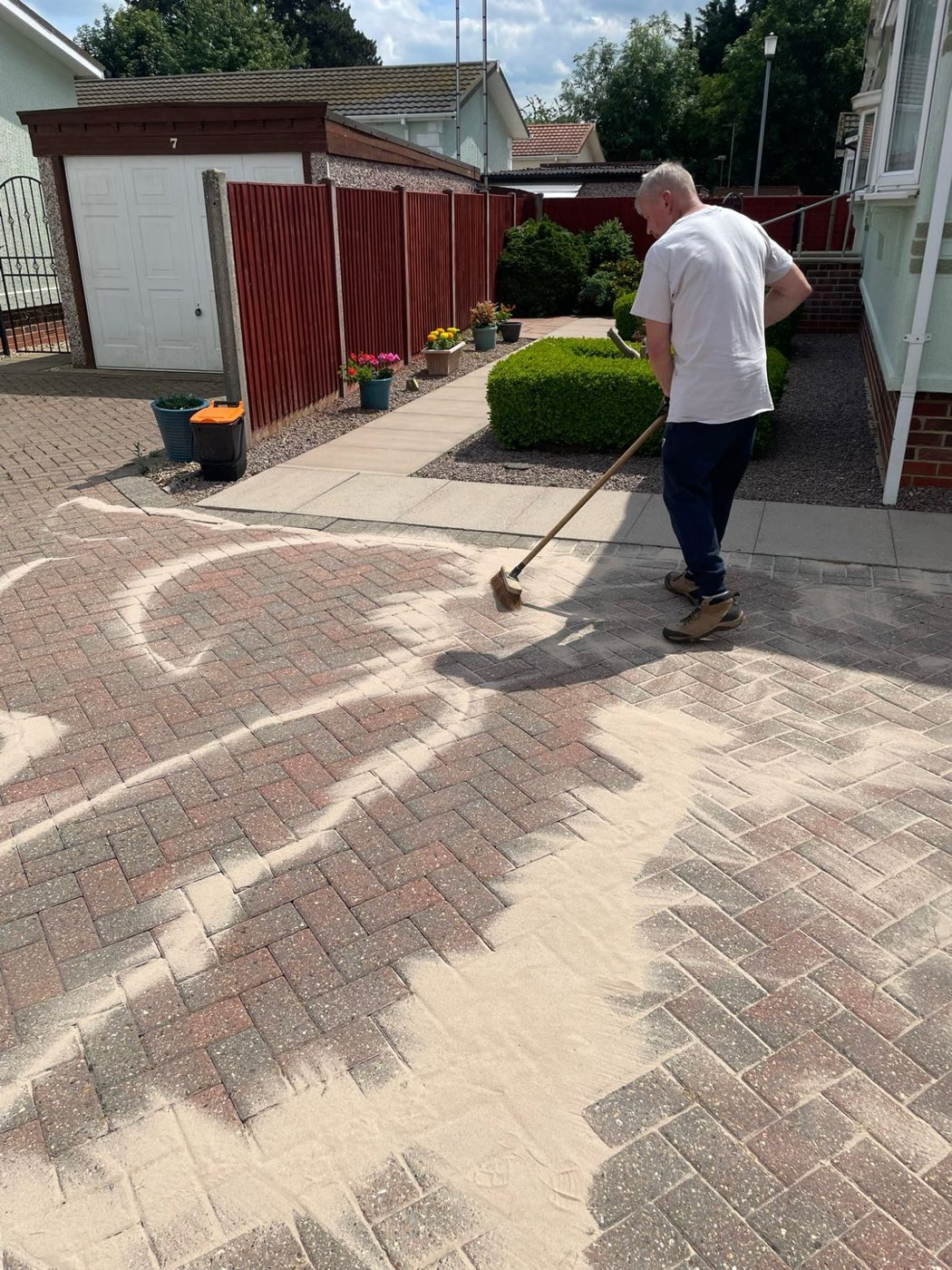
How to clean a cobblestone driveway properly
Cobblestone driveways look stunning when clean — here's how to get yours back to its best without loosening the joints or damaging the stone.