
16 September 2026 · Patios and Paths
How to clean a gravel driveway properly
A gravel driveway is one of the most low-maintenance surfaces you can have — but that doesn't mean it looks after itself. Over time, moss creeps in, weeds push through, soil works its way into the stones, and the whole thing starts to look dull and neglected. Knowing how to clean a gravel driveway properly makes a real difference, and most of the work can be done without specialist equipment if you're prepared to put a few hours in.
Here's what actually works.
Why gravel driveways get dirty so quickly
Gravel sits loose on the surface, which means it collects everything: leaf debris, organic matter, blown-in soil, and airborne spores. The gaps between stones hold moisture, which is exactly what moss and algae need to get a foothold. Shaded driveways — common on north-facing plots in villages like Nettleham or Welton — are especially prone because they dry out slowly after rain.
Once organic matter builds up in the stones, it acts like compost. Weeds find it easy to root through, and the gravel gradually loses its clean, bright appearance.
What you need before you start
You don't need much, but having everything ready saves time:
- A stiff-bristled broom or a wide garden rake
- A leaf blower (useful but not essential)
- A garden hose with a jet nozzle, or a pressure washer on a low setting
- A path weedkiller safe for gravel (glyphosate-based products are widely available)
- Weed-suppressing membrane if you're doing a full refresh
- Edging tools if the gravel has spilled onto surrounding borders
Avoid using a rotary nozzle on a pressure washer directly on loose gravel — it scatters stones everywhere and can be dangerous.
Step-by-step: how to clean a gravel driveway properly
1. Remove debris first
Start with a thorough rake or blow. Removing leaves, twigs and surface debris before anything else stops you washing organic matter deeper into the stones. Work in one direction and gather material at the edge to bag up.
2. Treat weeds and moss
Apply a path weedkiller on a dry day when no rain is forecast for 24 hours. Concentrate on any visible weeds and mossy patches — both die back within a week or two. For moss, a dedicated moss killer works faster than a general weedkiller. Once everything is dead and brown, it's much easier to remove.
3. Rake out dead growth
Once treated vegetation has died, rake it out. This takes patience — you want to get into the layer of stones rather than just skimming the surface. A stiff garden rake is better than a leaf rake here; you need the teeth to work through the gravel.
4. Rinse the surface
A garden hose on a strong jet setting is usually enough to flush out fine debris and soil from between the stones. Work from one end to the other so you're pushing material out rather than back over cleaned areas. If you're using a pressure washer, keep the nozzle well back — around 40–50 cm — and use a wide fan setting rather than a point jet. You want to rinse, not blast.
5. Top up and redistribute
Gravel migrates over time, especially near kerb edges and at the bottom of slopes. Once clean, redistribute the stones with a rake so coverage is even, and top up any thin patches. A few bags of matching gravel from a builders' merchant is usually enough.
Keeping it clean longer
A single clean buys you time, but a few habits keep the driveway looking good between sessions:
- Sweep it monthly — a quick rake once a month stops debris building up
- Re-treat weeds as soon as you see them — catching them early is far easier than dealing with established roots
- Check the edging — grass and border plants creep into gravel quickly; keeping edges trimmed stops organic matter accumulating
- Consider a weed membrane refresh — if your existing membrane has failed or was never installed, lifting the gravel, laying a new membrane, and replacing the stones makes a lasting difference
For more on keeping outdoor surfaces in good shape through the seasons, take a look at our driveway cleaning advice.
When it's worth calling a professional
If the driveway is heavily compacted, has years of embedded organic matter, or the gravel has mostly disappeared into the ground, a DIY clean will only get you so far. We see this regularly on older properties around Saxilby and Skellingthorpe — driveways that haven't had proper attention in years and need a proper rake-out, weed treatment, and fresh stone before they can look right again.
A professional clean also makes sense when time is short. If you're preparing a property for sale or for a family event, having it done properly in a few hours is worth the cost.
We cover gravel driveways as part of our full driveway and outdoor surface services across Lincolnshire. If you're not sure whether your driveway needs a clean, a top-up, or something more involved, we're always happy to have a look and give honest advice.
How often should you clean a gravel driveway?
For most Lincolnshire homes, a thorough clean once a year — ideally in early spring or late autumn — is enough to stay on top of it. If the driveway is heavily shaded or surrounded by trees, twice a year is more realistic. A quick monthly rake keeps things tidy in between.
See our local coverage across Lincolnshire to check if we work in your area.
If your gravel driveway has seen better days and you'd rather hand it over to someone else, we'd be glad to help. Get a free quote today — no obligation, just a straightforward price for the work.
Frequently asked questions
Can I use a pressure washer on a gravel driveway?
Yes, but carefully. Use a wide fan nozzle at low pressure and keep the lance well back from the surface. A point jet or rotary nozzle will scatter gravel and can be dangerous. A strong garden hose jet is often enough for a standard rinse.
How do I stop weeds coming back in my gravel driveway?
The most effective long-term solution is a weed-suppressing membrane under the gravel. Combined with a path weedkiller applied at the first sign of growth each spring, this keeps most driveways weed-free for years. Removing debris regularly also helps, as it stops organic matter building up and giving weeds somewhere to root.
How much gravel do I need to top up my driveway?
For a standard domestic driveway, a couple of bulk bags (roughly 800 kg each) is usually enough to top up thin patches after a clean. If the gravel has significantly compacted or migrated, you may need more — a builders' merchant can advise based on the area you're covering.
Is it better to clean gravel in spring or autumn?
Spring is generally the better time — you can clear winter debris, treat any moss or weeds that have taken hold over the cold months, and start the season with a tidy surface. A second light clean in autumn, before leaves really start to fall, helps too.
Need a hand with yours? We cover Lincolnshire for patios, driveways, paths and more — see the areas we cover or browse our services. Get a free quote or call 07874 010739.
Keep reading
More on driveway cleaning
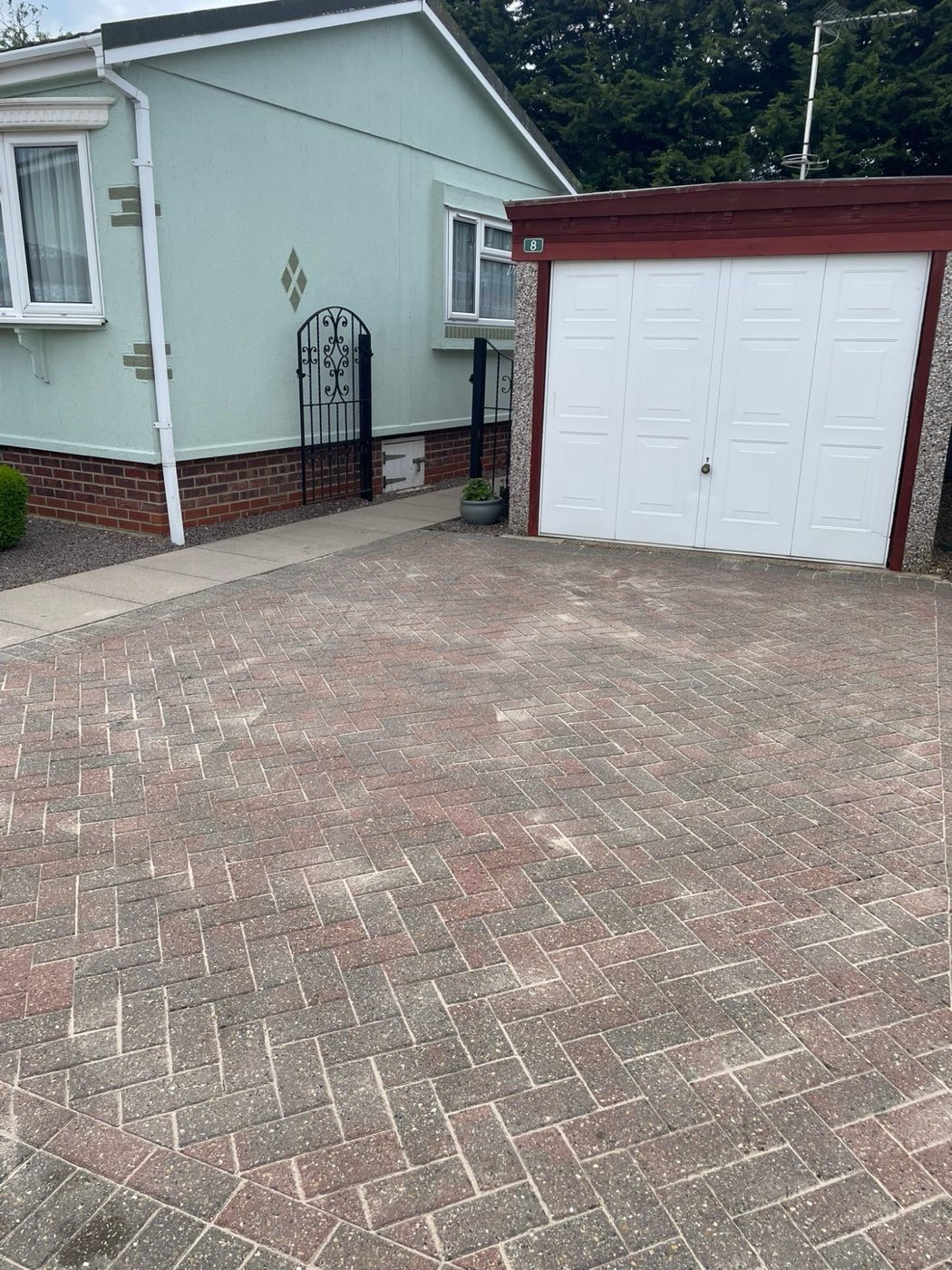
How to clean a block paving driveway after winter
Winter leaves block paving looking tired, mossy and washed-out — here's exactly how to bring it back to life safely.
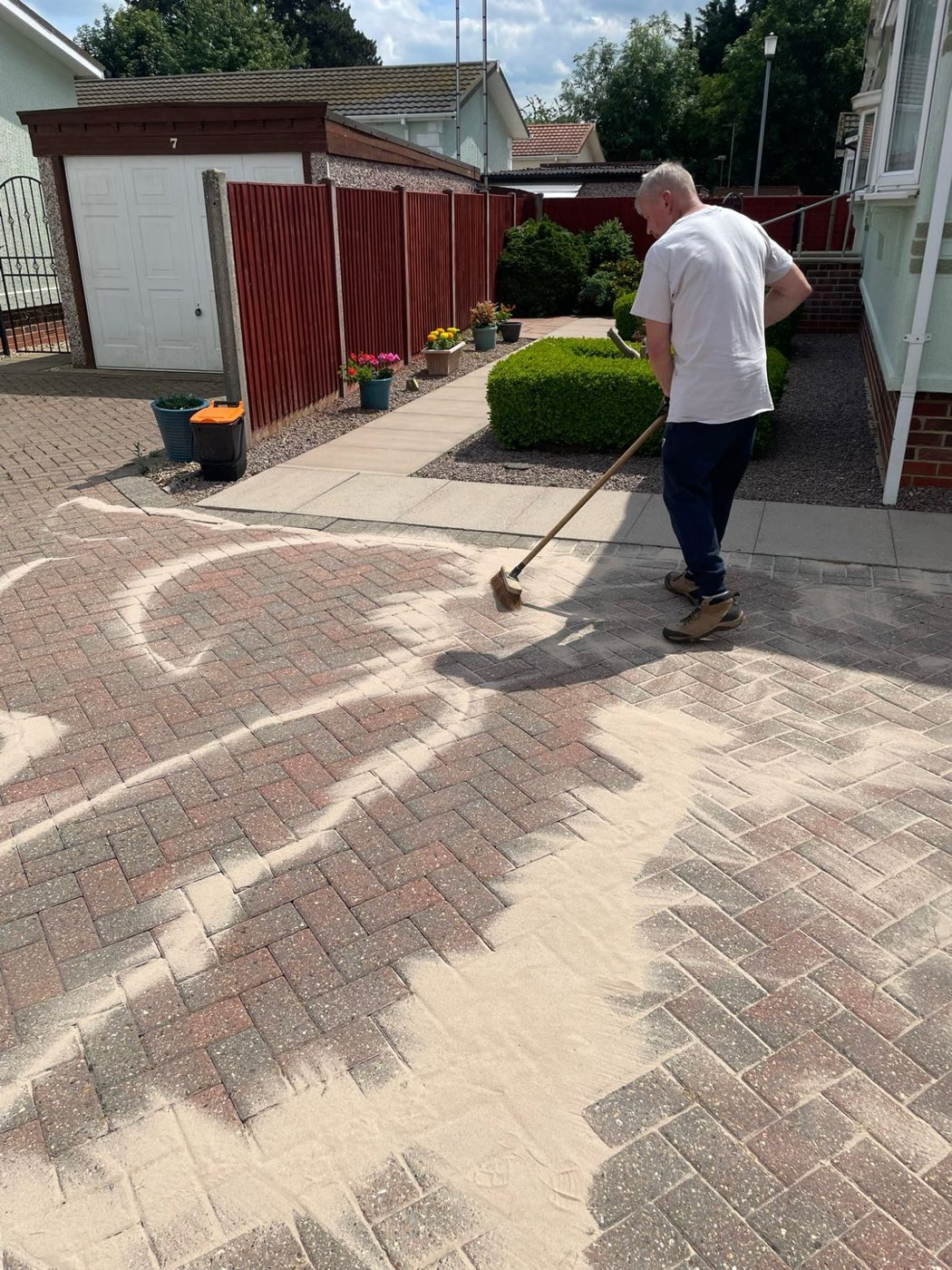
How to clean a cobblestone driveway properly
Cobblestone driveways look stunning when clean — here's how to get yours back to its best without loosening the joints or damaging the stone.
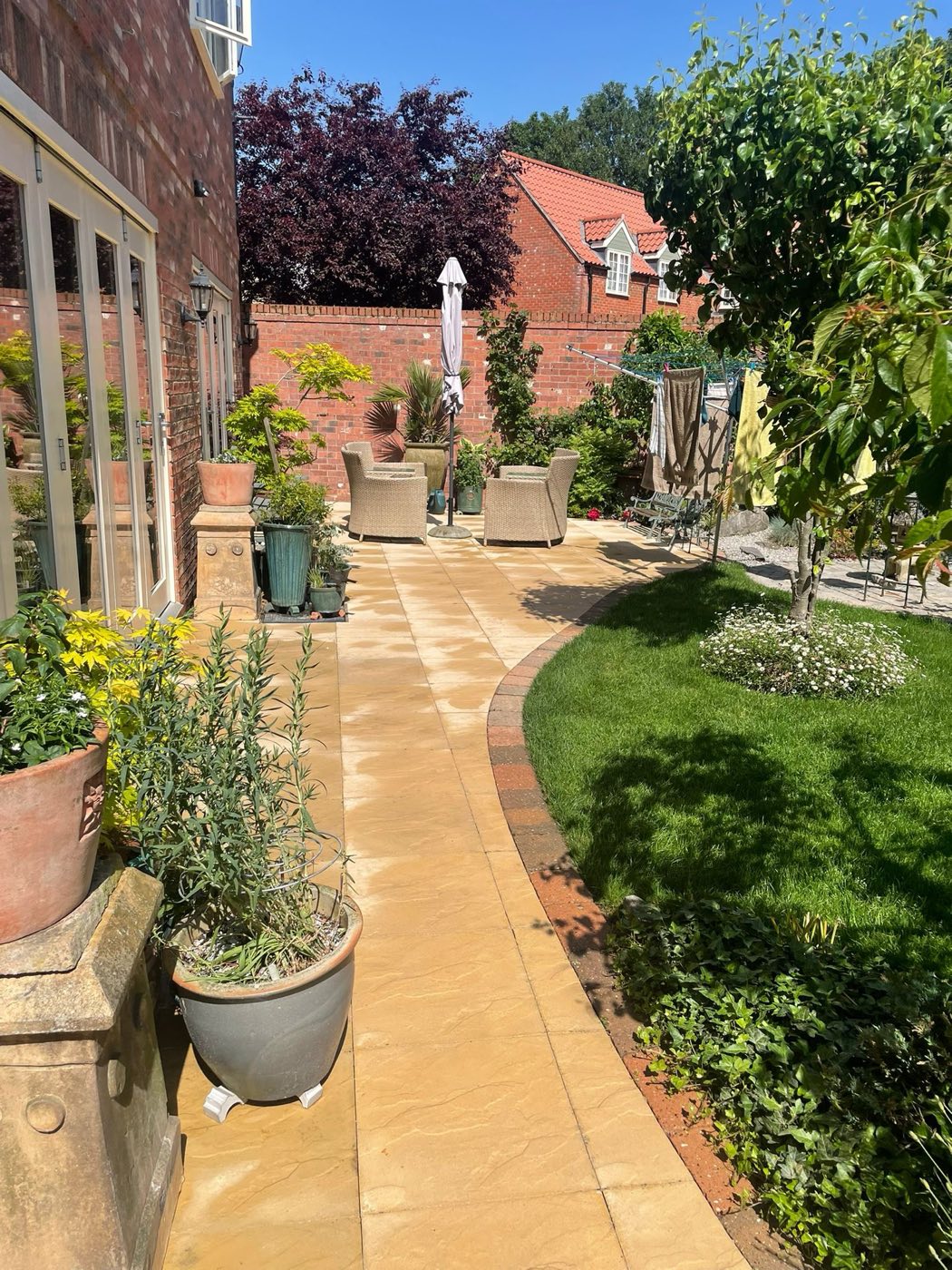
How to remove black algae from block paving
Black algae turns block paving dark, slippery and stubborn — here's what actually shifts it and how to stop it coming back.