
30 October 2026 · Patios and Paths
How to clean a garage floor properly
A dirty garage floor is one of those jobs most of us put off until we absolutely have to. Oil patches from the car, tyre scuffs, dust, maybe a splash of fertiliser that's been there since 2019 — it all builds up. If you want to know how to clean a garage floor properly, the short answer is: degrease first, then pressure wash or scrub, then let it dry fully before you decide whether it needs sealing. Everything beyond that depends on what your floor is made of and how bad the mess is.
Here's a practical run-through of the whole process.
Why garage floors get so dirty so quickly
Garage floors take a battering. Concrete is porous, so every drip of engine oil, brake fluid or garden chemical soaks straight in rather than sitting on the surface. Add in foot traffic, wet tyres and the fact that most garages have poor ventilation, and you've got a surface that holds onto dirt like nothing else.
The good news is that even a badly stained concrete floor can be cleaned up to a standard you'd be happy with — it just takes the right approach and a bit of patience.
What you'll need
Before you start, gather everything together:
- A stiff-bristled deck brush or scrubbing brush
- A good-quality alkaline or citrus degreaser (available from most builders' merchants or online)
- Hot water
- A pressure washer — ideally 2,000 PSI or above for concrete
- Eye protection and rubber gloves
- A wet-dry vacuum or squeegee to remove dirty water
- Paper towels or old rags for the initial blotting
If you don't have a pressure washer, a stiff brush and a hose can work — it's just harder going and you won't get the same depth of clean.
Step-by-step: how to clean a garage floor properly
1. Clear the floor completely
Move everything out — cars, bikes, storage boxes, all of it. You can't clean around things properly, and trying to will leave you with tide marks and missed patches.
2. Sweep and vacuum first
Remove loose dust, grit and debris before adding any liquid. Wet grit just turns into a slurry that clogs your drainage and scratches the surface as you scrub.
3. Tackle oil and grease stains before you wash
This is the most important step and the one most people skip. Applying water to an oil-soaked floor just moves the oil around — it doesn't lift it. Instead:
- Blot up any fresh oil with paper towels or rags.
- Apply a degreaser directly to the stained areas. Pour it on neat for older, set-in patches.
- Leave it to dwell for 15–30 minutes — longer for stubborn stains.
- Scrub with a stiff brush in circular motions.
- Rinse with hot water.
For very old stains that have been there for years, you may need two or three applications. Some staining will always remain in the pores of uncoated concrete, but it should look dramatically better.
4. Pressure wash the whole floor
Once the degreasing is done, work systematically from the back of the garage towards the door, pushing water and lifted grime out as you go. Use a fan or turbo nozzle at medium pressure — you don't need to get too close to the surface on concrete, but closer than you would on block paving. Keep the nozzle moving to avoid etching.
If your garage has a drain, great. If not, squeegee the dirty water out into the driveway and let it drain naturally — this is worth checking with your local rules if you have a surface water drain nearby.
5. Let it dry completely
Concrete holds moisture. Don't rush back in with boxes or a car before the floor has had at least 24 hours to dry in a ventilated space. If you're planning to apply any kind of sealer or paint, the surface needs to be bone dry — often 48–72 hours, more in cold or damp weather.
Should you seal a garage floor after cleaning?
Sealing is well worth considering if your garage floor is regularly used. A penetrating concrete sealer or a painted epoxy coating makes future cleaning much easier — oil sits on the surface rather than soaking in, and a quick mop or rinse deals with most spills. It also smartens the floor up considerably.
That said, sealing is an extra job and an extra cost. If the floor is only used for occasional storage and rarely sees oil or chemicals, a good clean every year or two may be all you need.
See our driveway cleaning guides for more advice on treating and protecting concrete and paved surfaces.
When to call in a professional
Some garage floors are beyond a satisfying DIY clean — usually because the oil contamination is very deep, the floor is cracked and broken up, or the job is simply too large and time-consuming to tackle with domestic equipment. Professional pressure-washing kit runs at much higher volumes and temperatures than hire machines, which makes a real difference on badly stained concrete.
We cover garage floors, driveways, forecourts and much more across Lincolnshire. If you're in Lincoln, Nettleham, Cherry Willingham, Saxilby or anywhere else in the county, we can come and take a look. Check our services and areas we cover to see if we're near you.
Keeping it clean going forward
A few simple habits make a big difference:
- Keep a roll of paper towels or an old mat near where you park so fresh spills get blotted immediately.
- Sweep the floor every few weeks so grit doesn't grind into the surface.
- A light pressure wash once or twice a year keeps build-up from getting serious.
It's much easier to maintain a clean floor than to rescue a neglected one.
If your garage floor — or any other surface around your home — needs a proper deep clean, we'd be happy to give you a no-obligation quote. Get in touch today and we'll take a look.
Frequently asked questions
Can I use a regular garden hose instead of a pressure washer on a garage floor?
You can, but it takes considerably more effort and rarely gets the same result. A garden hose doesn't have the pressure to lift ingrained oil and grime from porous concrete. A stiff brush with a good degreaser helps, but for a thorough clean a pressure washer is much more effective.
How do I get old, dried oil stains out of a concrete garage floor?
Apply an alkaline or citrus degreaser neat to the stain and leave it to dwell for at least 30 minutes before scrubbing hard with a stiff brush. Older stains often need two or three applications. Very deep staining that has soaked into uncoated concrete may not come out completely, but it will improve significantly.
Is it safe to pressure wash a garage floor with a drain?
Generally yes, as long as you're not washing large amounts of oil or chemical-contaminated water into a surface water drain, which can be an offence. If there's significant oil contamination, try to soak up as much as possible with absorbent material before washing, so you're not flushing concentrated pollutants into the drainage system.
How often should I clean my garage floor?
For a garage used daily by a car, a thorough clean once or twice a year is a reasonable target, plus prompt attention to any fresh spills. A sealed or painted floor is much easier to maintain and may only need a quick sweep and occasional mop between annual washes.
Need a hand with yours? We cover Lincolnshire for patios, driveways, paths and more — see the areas we cover or browse our services. Get a free quote or call 07874 010739.
Keep reading
More on driveway cleaning
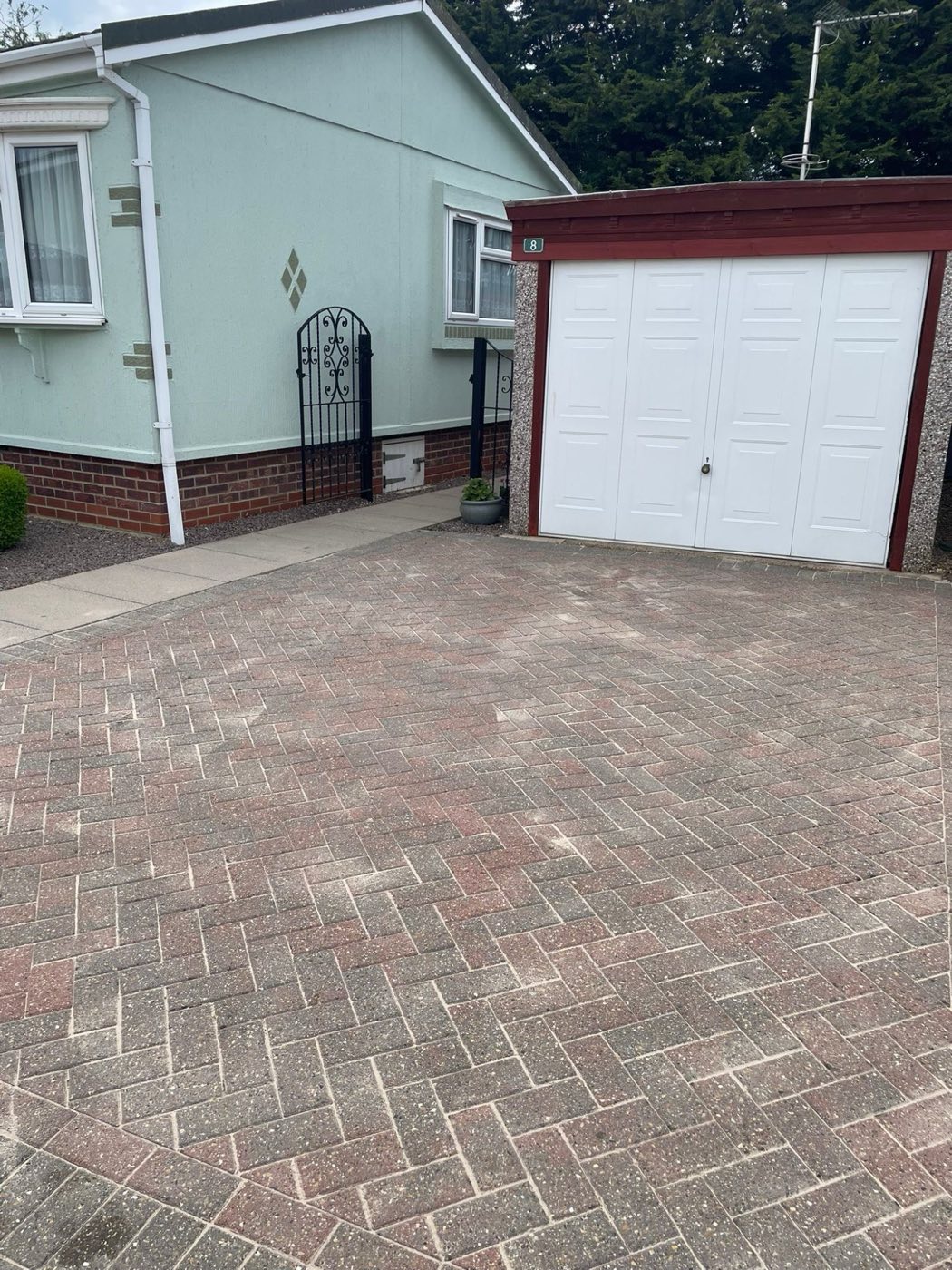
How to clean a driveway before selling your house
First impressions sell houses — here's how a clean driveway can add instant kerb appeal before viewings start.
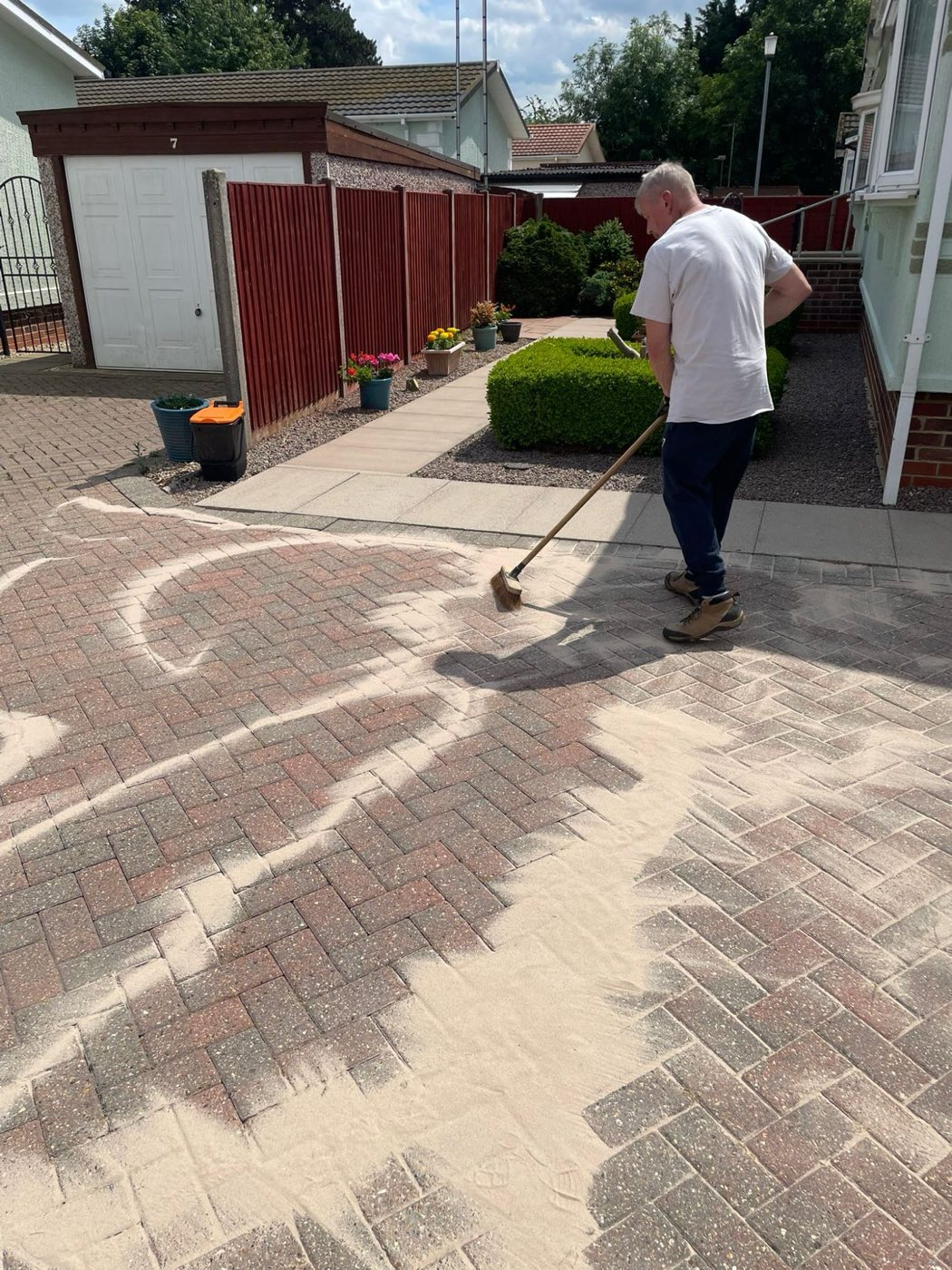
How to clean a resin driveway without causing damage
Resin driveways look stunning when clean — here's exactly how to keep yours that way without lifting the surface or voiding your warranty.
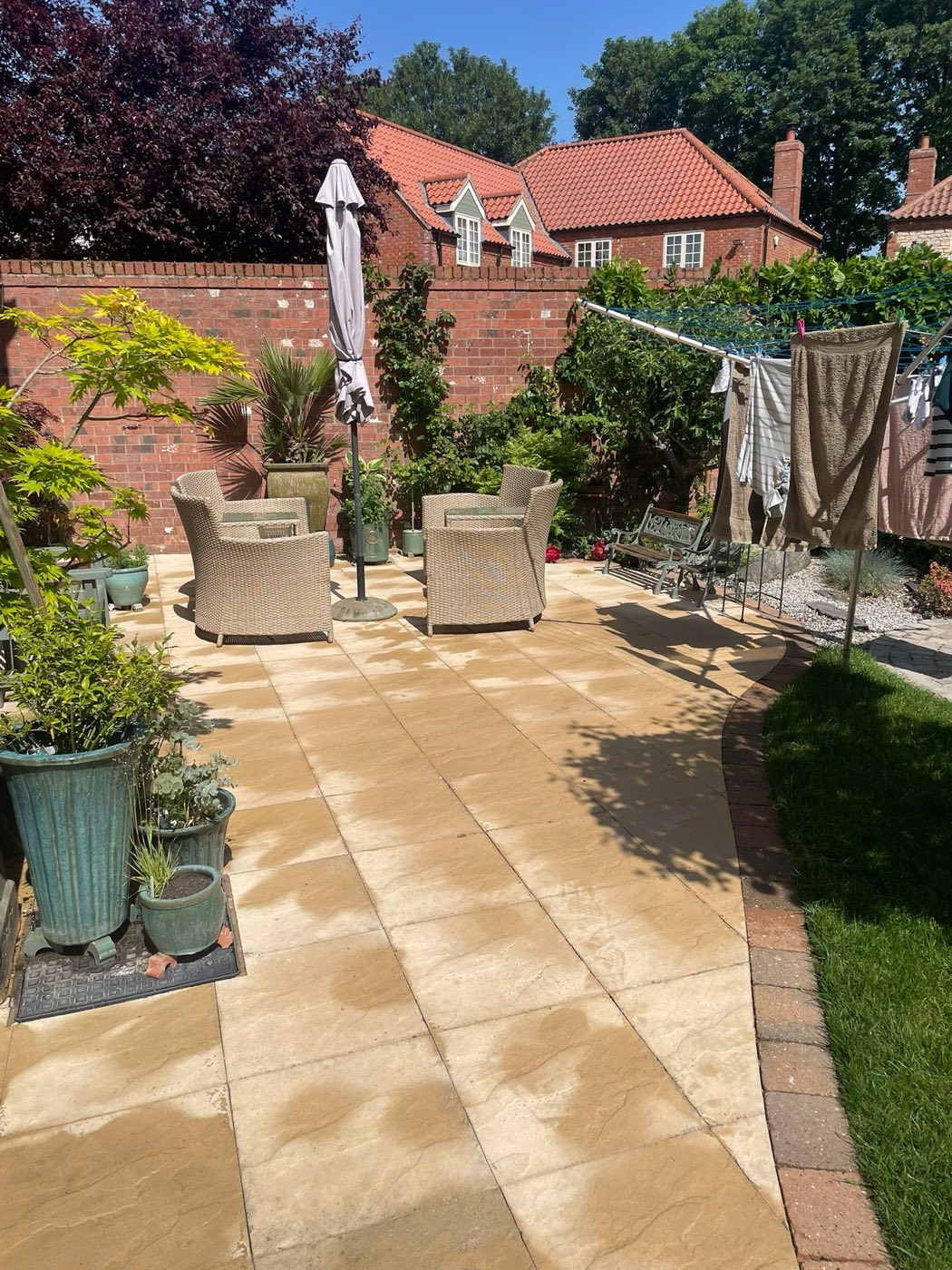
How to clean a driveway after heavy rain
Heavy rain leaves driveways muddy, stained and slippery — here's exactly how to clean yours back to a smart finish.